Unlocking the Art of Cinematic Storytelling: Techniques and Insights for Aspiring Filmmakers
In the world of film, nothing is more captivating than the language of cinema itself. Just like a painter uses colors to create a masterpiece, a filmmaker harnesses the nuances of cinematography to elicit emotions and tell compelling stories. Welcome to the enchanting universe of cinematic language, where every frame is a brushstroke, and every scene is a canvas waiting to be filled. Imagine standing in front of a grand, unfolding narrative — how do you capture that essence? What techniques can transform a good film into an unforgettable cinematic experience?
At its core, cinematic storytelling thrives on visual storytelling. This is where filmmakers channel the power of images to evoke emotion and convey meaning without uttering a single word. Think of the Statue of Liberty standing tall, overlaid with the hues of a sunset in a pivotal movie scene. That simple yet profound image can narrate a thousand stories about freedom, hope, and new beginnings. As aspiring filmmakers, understanding this core principle of motion picture analysis is essential. How can you use visual aesthetics to bring your narrative to life? It's time to explore the rich tapestry of film techniques that can elevate your storytelling prowess.
One of the most important aspects of mastering cinematic language involves understanding film editing. It’s more than just cutting and splicing; it’s about crafting the rhythm and pace of your film. Editing can transform a good narrative into a gripping one that leaves audiences on the edge of their seats. As the legendary editor Walter Murch once said, "The creative act is not the formation of ideas but the perception of possibilities." In the realm of film, editing acts as a guide, directing the viewers' emotions while taking them on a journey through your cinematic review. But how do you achieve this mastery of editing?
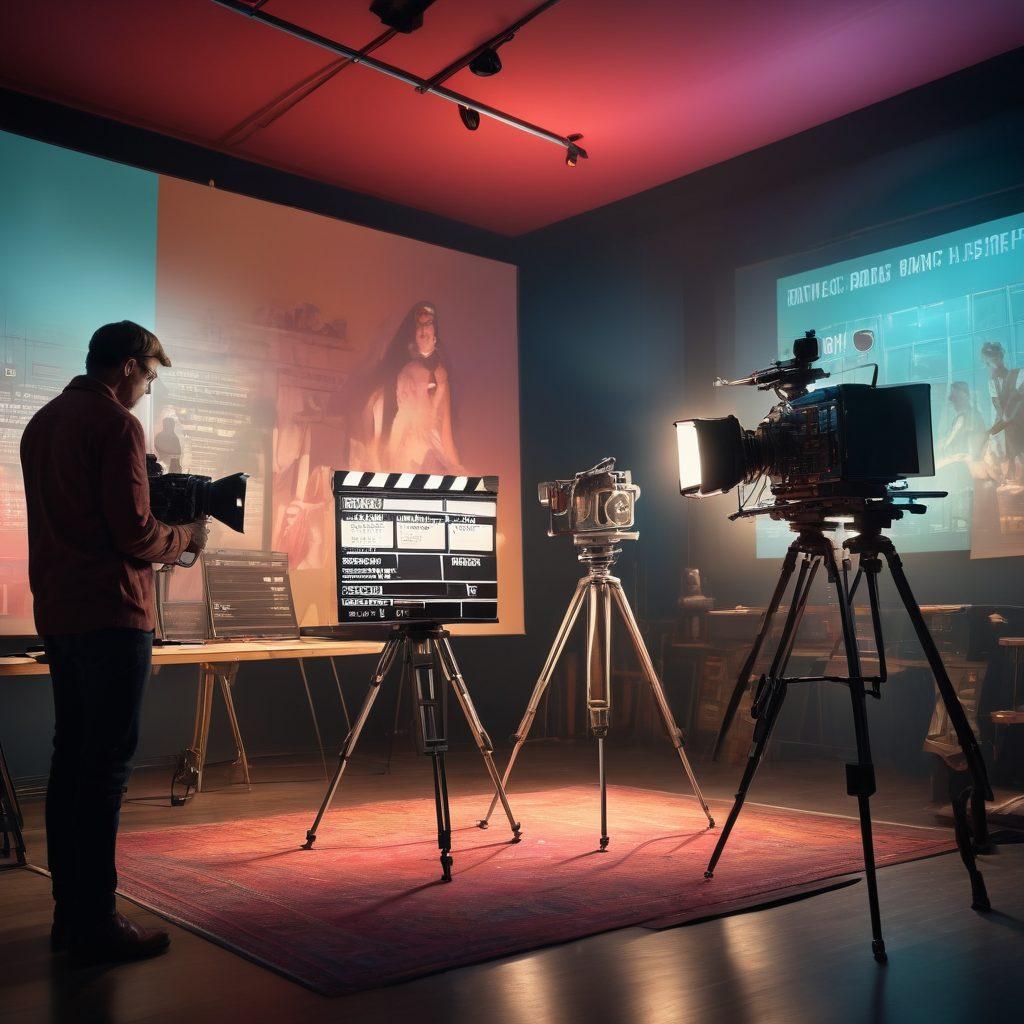
Next, let’s talk about the synergy between film direction and cinematography. A well-crafted film does not arise by chance; it’s a harmonious collaboration between directors and cinematographers who work hand in hand. The director sets the vision, while the cinematographer breathes life into that vision through thoughtful lighting, shot composition, and camera angles. When you’re on set, how can you effectively communicate your artistic vision? How do you want your audience to feel when they watch your film? Film industry insights suggest that clear communication and mutual respect are crucial to creating visually stunning sequences that resonate.
Lastly, let’s not forget about the power of feedback in the filmmaking process. Whether you’re submitting your film to a film festival or seeking critiques from peers, the value of constructive criticism can propel your growth as a filmmaker. An insightful movie critique can unlock your potential, revealing blind spots that might have gone unnoticed. Remember, every great filmmaker started from humble beginnings, learning through trial and error. Your journey in film culture doesn’t end with a completed project; it’s just the beginning. So, fellow storytellers, how will you harness the language of cinema to tell your compelling stories?
Inside the Lens: Exploring Visual Storytelling and Film Aesthetics
As the lights dim and the opening credits roll, a world unfolds before our eyes, inviting us into a realm of imagination and creativity. Welcome to the fascinating universe of cinema, where every frame tells a story and every scene captures an emotion. For aspiring filmmakers, understanding the intricacies of visual storytelling and film aesthetics is essential to unlocking the profound art of cinematic storytelling. How does one effectively communicate a narrative through images? What makes a frame unforgettable? Join us as we delve deep into the essential elements of cinematography and explore the world of film direction and production.
Cinematography is more than just positioning a camera; it is an art that requires a choreographed dance between light, perspective, and subject. Think of it as painting a picture—every choice you make, from the type of lens used to the lighting conditions, can alter the mood and tone of your film. A great cinematographer knows how to use shadows and brightness to evoke feelings, making the audience laugh, cry, or feel a sense of thrill. As you refine your filmmaking techniques, consider this: How do the visuals you create enhance the narrative you want to convey? Can you identify the subtle nuances in the works of master filmmakers?
In the expansive realm of cinema studies, the importance of film aesthetics cannot be understated. Just as a composer uses notes to create a symphony, a filmmaker taps into a palette of colors, movements, and textures that breathe life into a motion picture. Can you recall a moment in a movie where the visuals were so striking that you felt you were a part of the action? Diving deeper into film analysis and movie critique provides insights into how these aesthetic choices resonate with the audience, ultimately shaping their experience. Consider how different elements, such as costume design and set composition, contribute to the overall narrative. How might you incorporate these aspects into your own film production?
Every film you watch provides an opportunity for cinematic review. By dissecting what works and what doesn’t in films, you gain valuable insights into the intricate world of film editing and storytelling dynamics. It's not just about observing the plot; it’s essential to consider pacing, composition, and emotional beats. Engaging with film reviews and critiques allows you to hone your skills and develop a discerning eye that appreciates the layered and often complex art of filmmaking. Have you ever watched a film and felt compelled to analyze its structure? Use that curiosity to strengthen your understanding and apply the lessons learned to your projects.
As you embark on your filmmaking journey, keep in mind the significance of film festivals in the film culture. These platforms showcase diverse voices and allow filmmakers to connect with audiences eager for unique stories. By participating in film festivals, you can receive feedback on your work, network with industry professionals, and even discover new techniques to elevate your craft. It’s an exciting way to gain film industry insights and understand what captivates viewers in today’s cinematic world. What stories do you want to tell? How will your lens capture the magic of those narratives? Embrace the journey of exploring visual storytelling and film aesthetics, and remember that every great filmmaker started with a vision.
Behind the Scenes: Insights from Cinematography to Film Critique
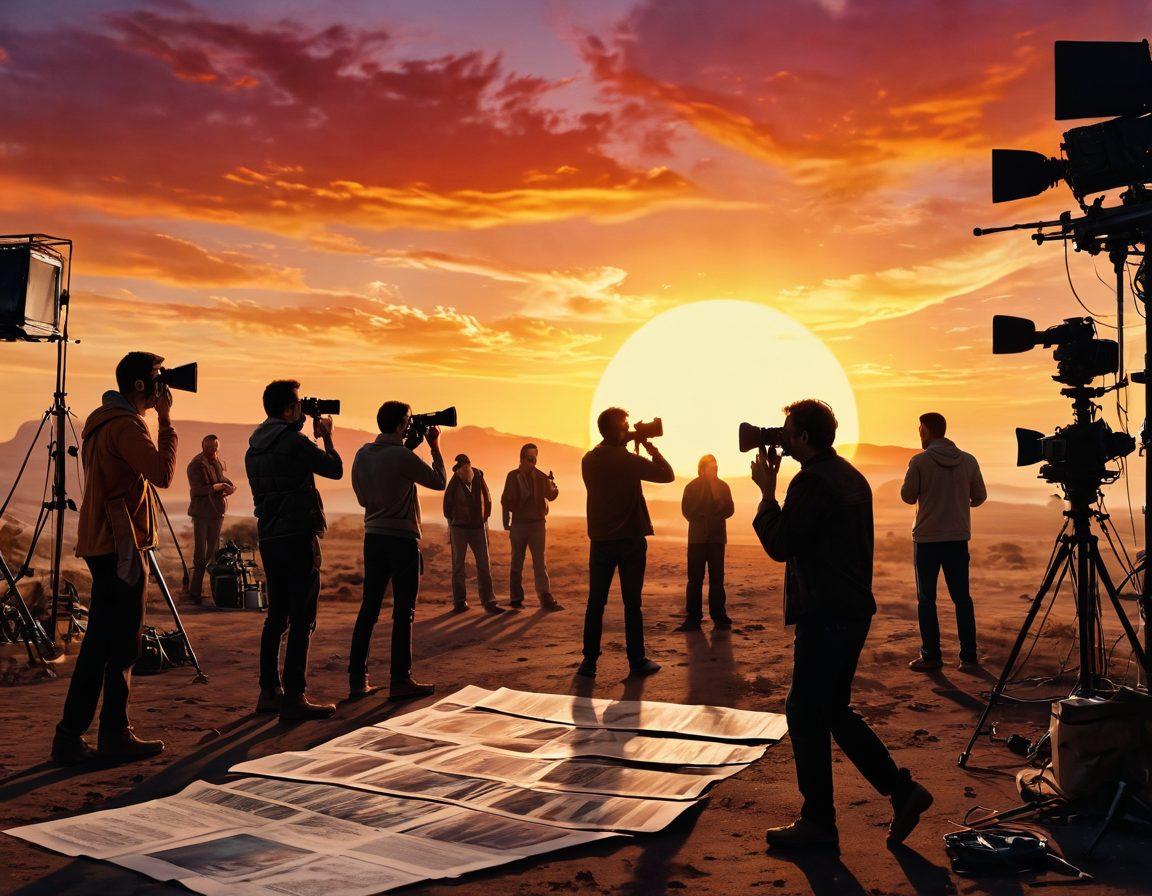
In the realm of filmmaking, the phrase 'behind the scenes' often conjures images of bustling crew members, set designs, and the unyielding lights that capture a film's story. However, what about the unseen crafts that turn a script into cinematic poetry? Delving into cinematography and film critique reveals the intricate tapestry that forms the backbone of cinematic storytelling. Here, we’ll explore not only the techniques that equip aspiring filmmakers but also the insights that can deepen our appreciation of cinema studies and its impact on the film industry.
Picture this: a darkened theater, the lights flicker, and the audience is transported into an entirely different universe. What makes this experience possible? The artistry of the cinematographer lies at the heart of this transformation. With each frame, they wield their camera like a brush, painting emotions, themes, and narratives in vivid detail. Cinematic storytelling is more than a sequence of shots; it’s a deliberate choice of angles, movements, and lighting that gives life to the story. As Francis Ford Coppola once quipped, 'You can’t measure creativity.' So, what does creativity look like through the lens?
Let’s talk about film aesthetics, shall we? This covers everything from composition to color palettes. It’s not uncommon for an aspiring filmmaker to feel overwhelmed by cinematic techniques. Instead, consider this a learning journey. For instance, understanding motion picture analysis involves dissecting how various elements—like film editing and sound design—work together to evoke feelings. Have you ever watched a film that, despite a directorial flaw, kept you on the edge of your seat? That’s the magic of visual storytelling! How can you fuse your unique perspective into your films while mastering these essential schisms of cinema?
As you polish your craft, you’ll arrive at the essential domain of movie critique and commentary. Every filmmaker should be attentive to feedback—not just as creators but also as passionate fans. Why is film critique important? Because it cultivates a better understanding of film culture. By immersing yourself in a variety of film reviews and cinematic reviews, you gain an invaluable perspective on what resonates with audiences. Think of the art critics of the past: their critiques shaped the conversations around art, just as thoughtful film critique can help elevate filmmaking to new heights.
Finally, attending a film festival or engaging with fellow filmmakers provides a golden opportunity for growth. It's in these spaces you'll discover invaluable film industry insights and connect with others who share your passion. By absorbing the wisdom shared during panels or filmmaker Q&As, you won't just enrich your own filmography; you may discover remarkable filmmaking techniques that inspire your next motion picture. Remember, 'Every film is a miracle,' and by embracing both the creative and critical aspects of the craft, you cultivate the ability to tell richer, more authentic stories.